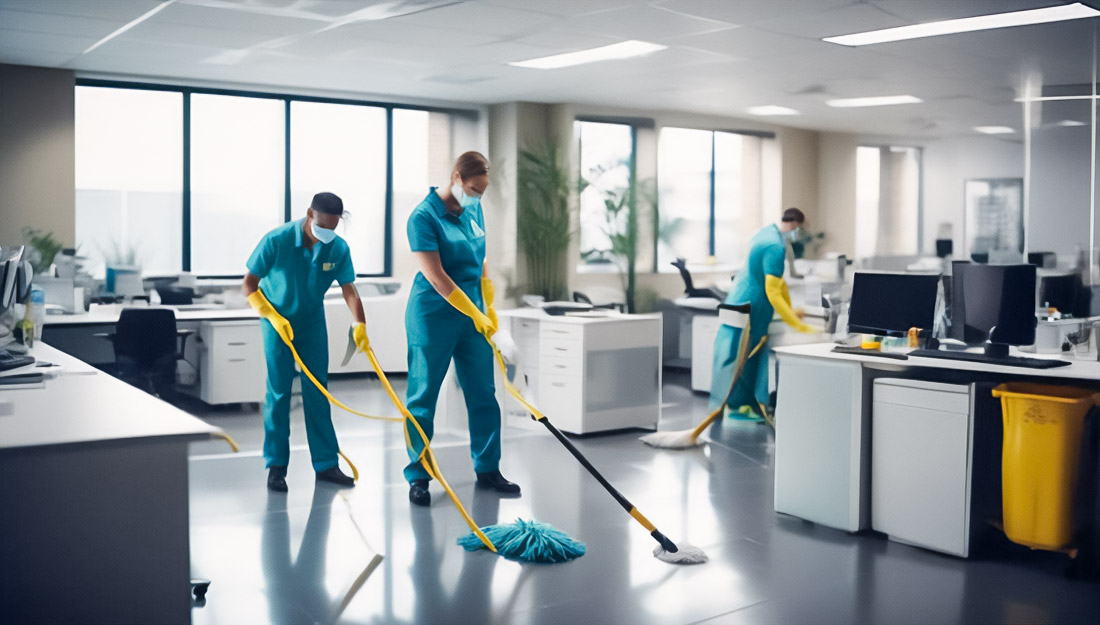
Carpet cleaning in offices is rarely perceived as a complicated process. At first glance, everything looks simple: the carpet has been cleaned, the surface has become lighter, and the working day continues. But it is after the cleaning is completed that issues related to drying, odors, and employee comfort begin. In England, where humidity and weather are often unstable, drying office carpets becomes a crucial step in the entire procedure.
Office flooring should not only look neat. It must dry safely without creating slippery areas, unpleasant odors and problems with the microclimate. Without control of these factors, even high-quality cleaning can lead to complaints and disruptions in the office.
The Real Drying Time Of Carpets In Office Buildings In England
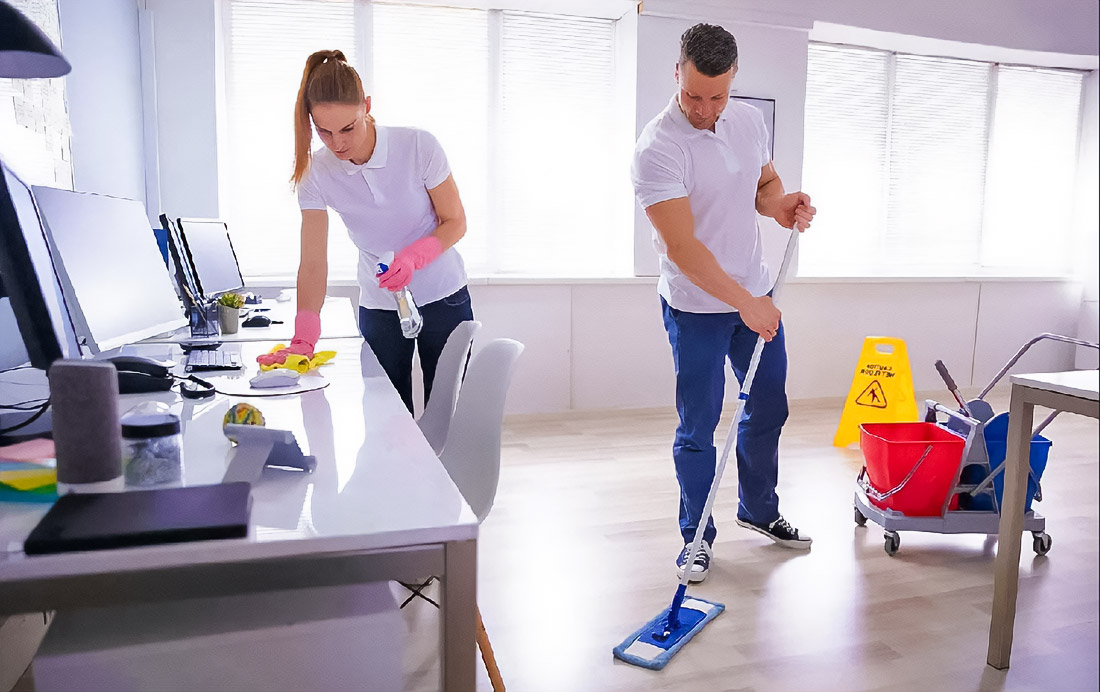
In most offices, professionally cleaned carpets dry within 4–8 hours if the conditions inside the building are close to normal. In rooms with stable ventilation, moderate heating and low humidity, the process can be accelerated up to 1–2 hours, especially when using low-pile commercial coatings commonly associated with office carpet cleaning in modern workplaces.
However, the office environment is rarely perfect. Dense carpet tiles, closed windows, limited air exchange and cold outdoor air increase the drying time. In such cases, residual humidity can persist for 8–12 hours, and with a combination of adverse factors up to 24 hours.
The key point here is not the time itself, but the condition of the coating. After proper extraction cleaning, the carpet should be moist, but not wet. Waterlogging indicates poor extraction and increases risks to the office.
Why Is Air Exchange More Important Than Temperature In Offices
A common misconception is that increasing the temperature solves the drying problem. In practice, this is not enough. Carpet drying is the process of moisture evaporating from the fibers into the surrounding air, not just heating the surface.
If the indoor air is already saturated with moisture, evaporation slows down regardless of temperature. This happens especially often in English offices in autumn and winter. Closed windows, minimal ventilation and stable humidity create conditions in which moisture is trapped inside the room.
Air movement becomes a crucial factor. A functioning ventilation system, open interior doors and a directed air flow along the carpet allow moisture to leave the fibers faster. Without air exchange, even a warm office can retain a feeling of dampness and cause a musty smell the next day.
Office Carpet Construction And Hidden Sources Of Moisture
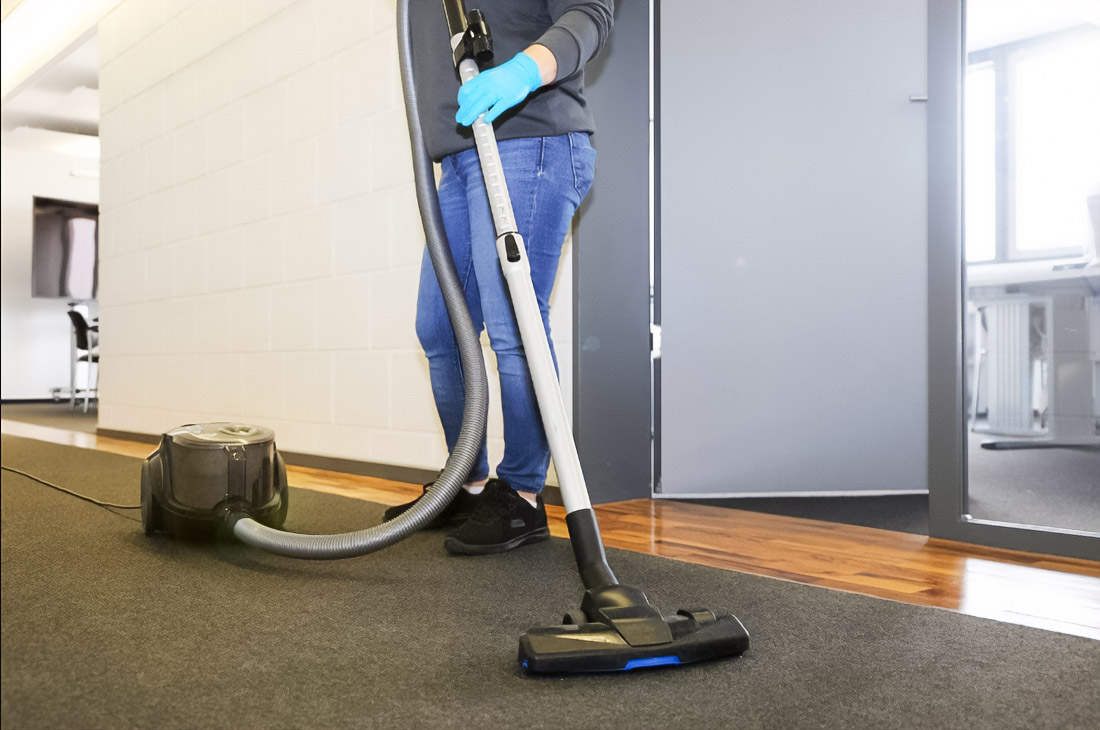
Commercial office carpets most often have a dense, low pile and are designed for heavy loads. Such coverings do release moisture faster than thick household carpets. However, problems often lurk beneath the surface.
The substrate and adhesive bases are able to retain moisture much longer than it seems. Even if the carpet surface looks dry, moisture may remain lower, gradually returning to the fibers. This creates a risk of repeated dampness and odors.
The type of fiber also affects the process. Synthetic materials dry faster and release moisture more easily. Wool coverings, which are still found in old offices and historic buildings in England, require a more careful approach and strict humidity control.
Seasonal Load And Wear Of Office Carpets
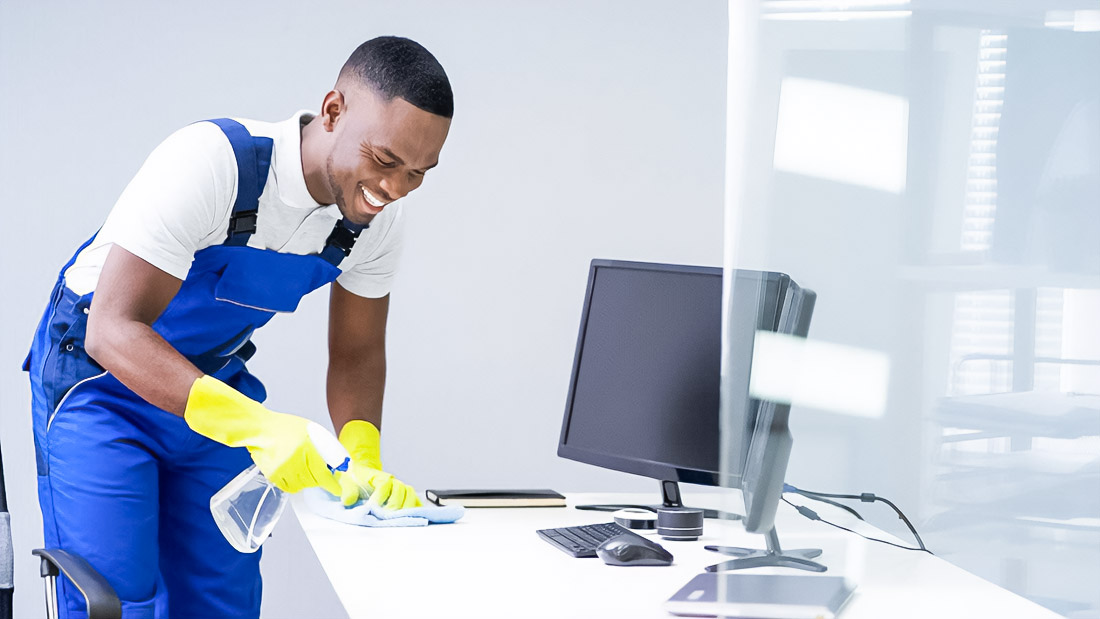
In the cold season, office carpets face additional stresses. Employees bring moisture, dirt, and small abrasive particles inside. These particles are pressed into the pile and accelerate the wear of the fibers, especially in passageways and entrances.
Increased humidity slows down drying and contributes to the accumulation of odors. Without regular professional cleaning, dirt and moisture remain inside the coating, causing the lint to flatten and deteriorate its appearance.
When Drying Becomes A Work Problem
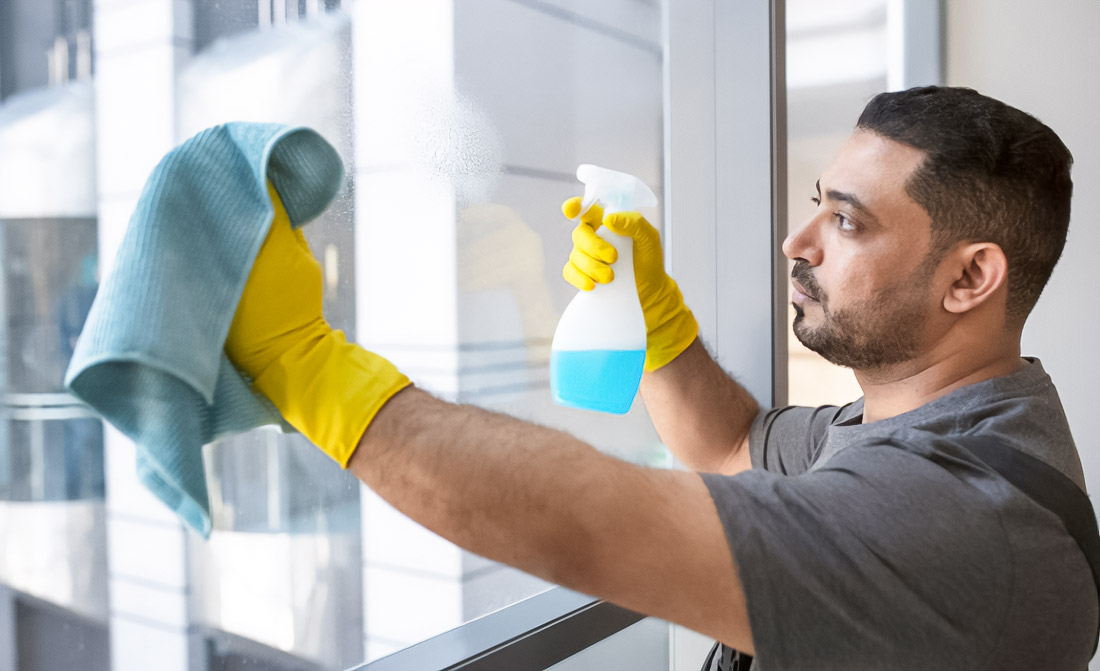
In an office environment, prolonged drying is not just an inconvenience. This is a risk of slipping, disruption of work processes and deterioration of air quality. Prolonged residual moisture can create conditions for the development of microorganisms under the coating surface.
Well-organized office carpet cleaning in England always takes into account the climate, ventilation and type of coating. When moisture is allowed to leave the room, the carpet returns to service without consequences. In offices, it is the drying control that determines the final result, not the fact of cleaning itself.

Snowboarder, mother of 2, fender owner, International Swiss style practitioner and TDC honorary member. Doing at the crossroads of aesthetics and mathematics to craft experiences that go beyond design.